
The Crimson Oak Review
Sharp thinking on Africa's economy, policy & markets.
Perspectives from our analysts on the shifts shaping how businesses build, invest, and grow across the continent.

The Crimson Oak Review · September 2026
Our monthly intelligence digest tracks the forces reshaping African business and capital. The September edition brings together macro signals, sector shifts, and capital-market developments that founders, boards, and investors cannot afford to miss. Each story is read through the lens of institutionalisation: how resilient systems, not opportunistic bets, separate businesses that survive shocks from those that compound them.
Read the full report →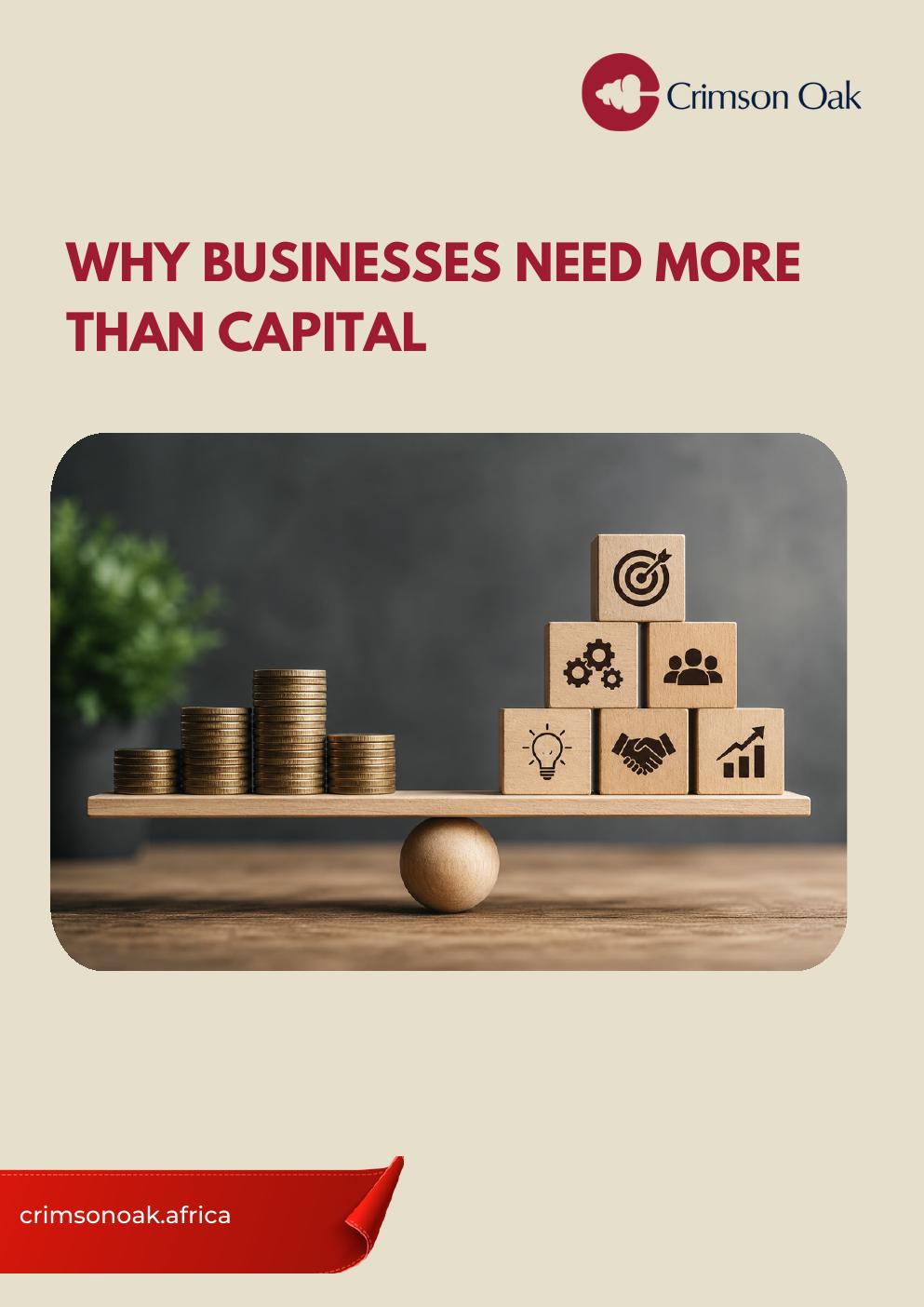
Why Businesses Need More Than Capital
Capital is necessary but it has never been sufficient. Roughly 85% of institutional investor rejections trace back to operational due diligence failures rather than a weak thesis, and CB Insights found 431 venture backed companies that raised a combined $17.5bn still shut down. This report sets out the three questions every growing business must answer before approaching the market: is it deal ready, is it credit ready, and does it know when and why it should raise at all. It covers governance clarity, financial hygiene, what quietly undermines credit readiness, and the Nigerian market context, from the Pension Industry Infrastructure Fund unlocking a share of ₦31.32 trillion in pension assets to West Africa leading the continent on deal volume.
Read the full report →
How Insecurity Is Strangling Nigeria's Economy
Nigeria's economy grew 3.87% in 2025, but the African Development Bank says the country needs sustained 6%+ growth to lift living standards. Between 2015 and 2024, over ₦14.8 trillion was spent on internal security, crowding out infrastructure investment and stalling agriculture, which contributes roughly 25% of GDP. The IMF has flagged insecurity as an explicit downside risk to growth and food stability, with 33.1 million Nigerians projected to face acute food insecurity in the 2025 lean season. This report unpacks the economic cost of insecurity and what it means for businesses operating in Nigeria.
Read the full report →
Nigeria's Talent Drain
Nigeria is losing its best minds to the global 'Japa' wave, with doctors, engineers, and tech talent leaving in record numbers. This report examines the scale of the talent exodus, the sectors most exposed, and the strategic implications for businesses competing for scarce skills in Africa's largest economy, plus what employers can do to retain and rebuild their talent pipelines.
Read the full report →
Why the US and Iran War Matters for Your Business
A flare up between the US and Iran isn't a distant headline. It ripples straight into Nigerian boardrooms through oil prices, FX volatility, freight costs, and global risk appetite. This brief unpacks the channels of impact, the sectors most exposed, and the practical moves leaders should make now to protect margins, cash flow, and supply chains.
Read the full report →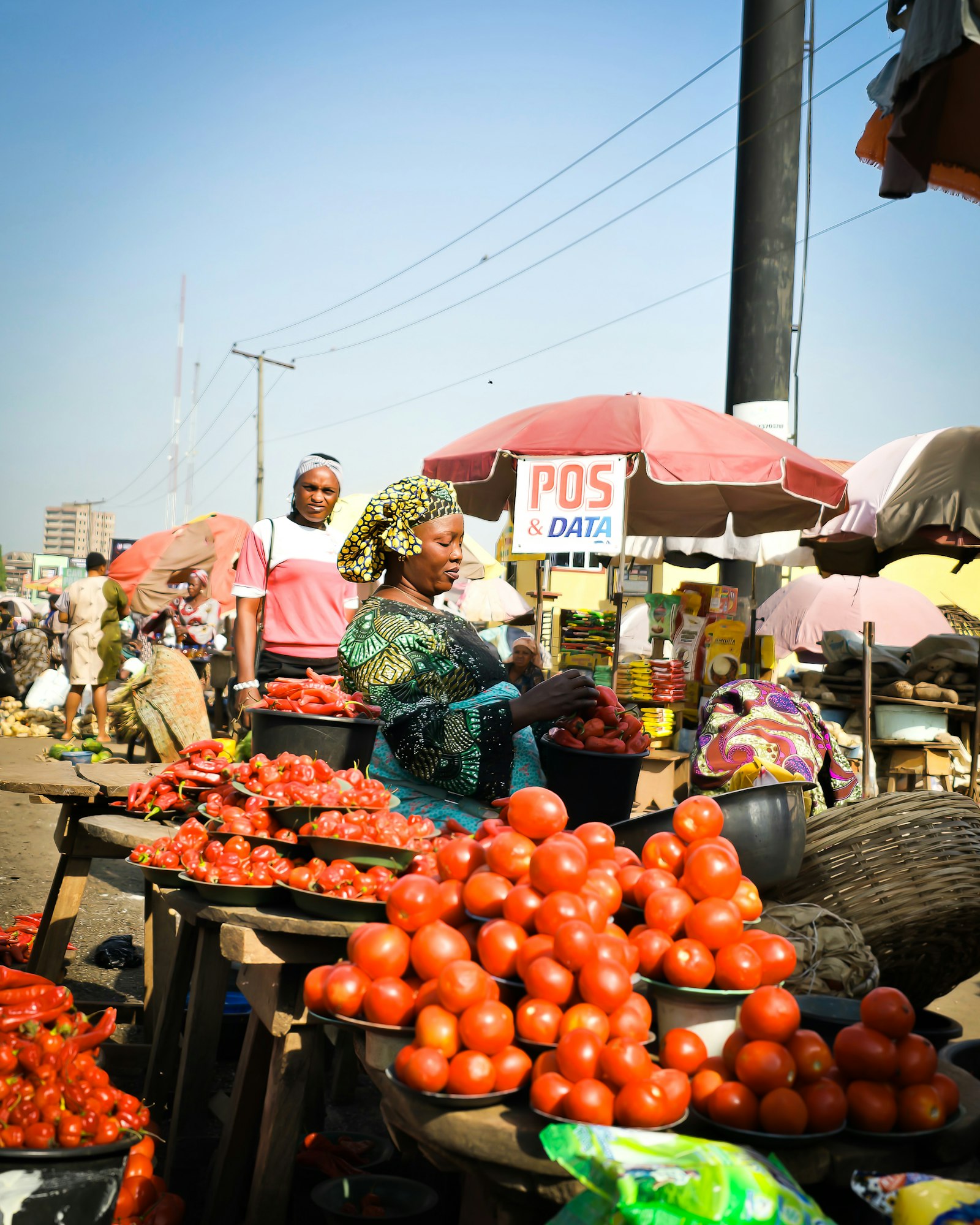
Nigeria's Economic Outlook. Key Insights for 2026
2026 is shaping up as a year of cautious recovery for Nigeria. Modest GDP growth, easing inflation, a stronger but still fragile naira, and a CBN balancing rate cuts against price stability. This outlook distils the macro signals leaders need to plan against: growth drivers, policy direction, FX and rate expectations, and the sector level risks and opportunities most likely to define the year.
Read the full report →
Is Your Business Structurally Protected Against Internal Fraud?
The CPPE estimates Nigerian MSMEs lose ₦5 to 10 trillion every year to employee corruption and occupational fraud, a silent drain on a sector that contributes nearly 50% of non oil GDP. Globally, organisations lose 5 to 10% of annual revenue to insider fraud, and for MSMEs with informal systems the damage runs deeper: diverted sales, payroll manipulation, procurement kickbacks, inventory theft, inflated expenses, and supplier collusion. At Crimson Oak Partners we treat fraud prevention as structural, strengthening Strategy and Governance, People and Culture, Financial Controls, and Technology and Digitalisation to protect capital and position MSMEs for sustainable growth.
Read the full report →
Crimson Oak Partners Drives Operational Turnaround for Leading Nigerian QSR
A well known Nigerian QSR with strong brand equity was battling persistent cash flow pressure, underperforming outlets, weak working capital discipline, and ERP investments that hadn't translated into performance. Crimson Oak Partners ran an end to end operational and financial diagnostic, then executed a phased turnaround: outlet level profitability tracking, weekly cash flow governance, SOPs and KPIs, procurement and inventory controls, ERP enabled dashboards, and a funding roadmap. Outcomes. 3 loss making outlets closed for restructuring, liquidity tightened by 55% via weekly cash governance, decision making 66% faster on data, procurement leakages reduced, treasury and accounting policies embedded, and a ₦1.4bn blended funding strategy designed to support recovery and expansion.
Read the case study →Latest
This week's reading.
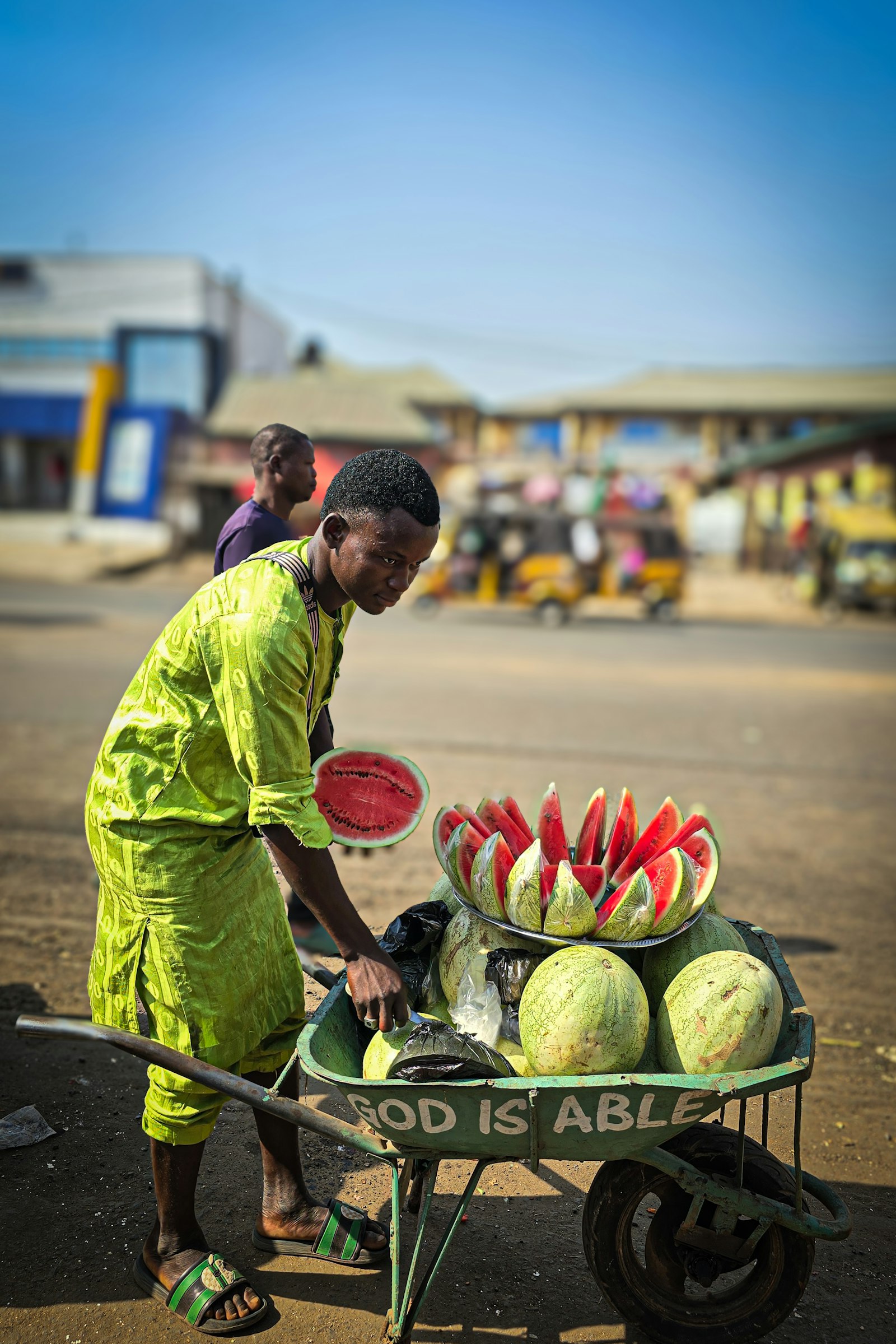
Unlocking SME Credit Access in Nigeria
Nigerian SMEs power nearly half of non oil GDP, yet access to affordable credit remains one of their biggest constraints. This report unpacks the structural barriers, collateral gaps, high interest rates, information asymmetry, and lender risk aversion, and outlines practical pathways for business owners to unlock the capital they need to grow.
Read article →
When Policies Hit You. How CBN's Decisions Shape Daily Life in Nigeria
Read article →
Private Credit for Small and Medium Sized Enterprises (SMEs)
Read article →The Archive
Every piece, in one place.
- 01
 Capital MarketsRead →
Understanding the Nigerian Stock Market
- 02
 InvestingRead →
How to Build a Resilient Investment Portfolio amidst Nigeria's Inflationary Season
- 03
 SectorRead →
Strategic Business Planning for Agritech Companies in Nigeria
- 04
 StrategyRead →
Building a Resilient Business in Nigeria's Volatile Economy